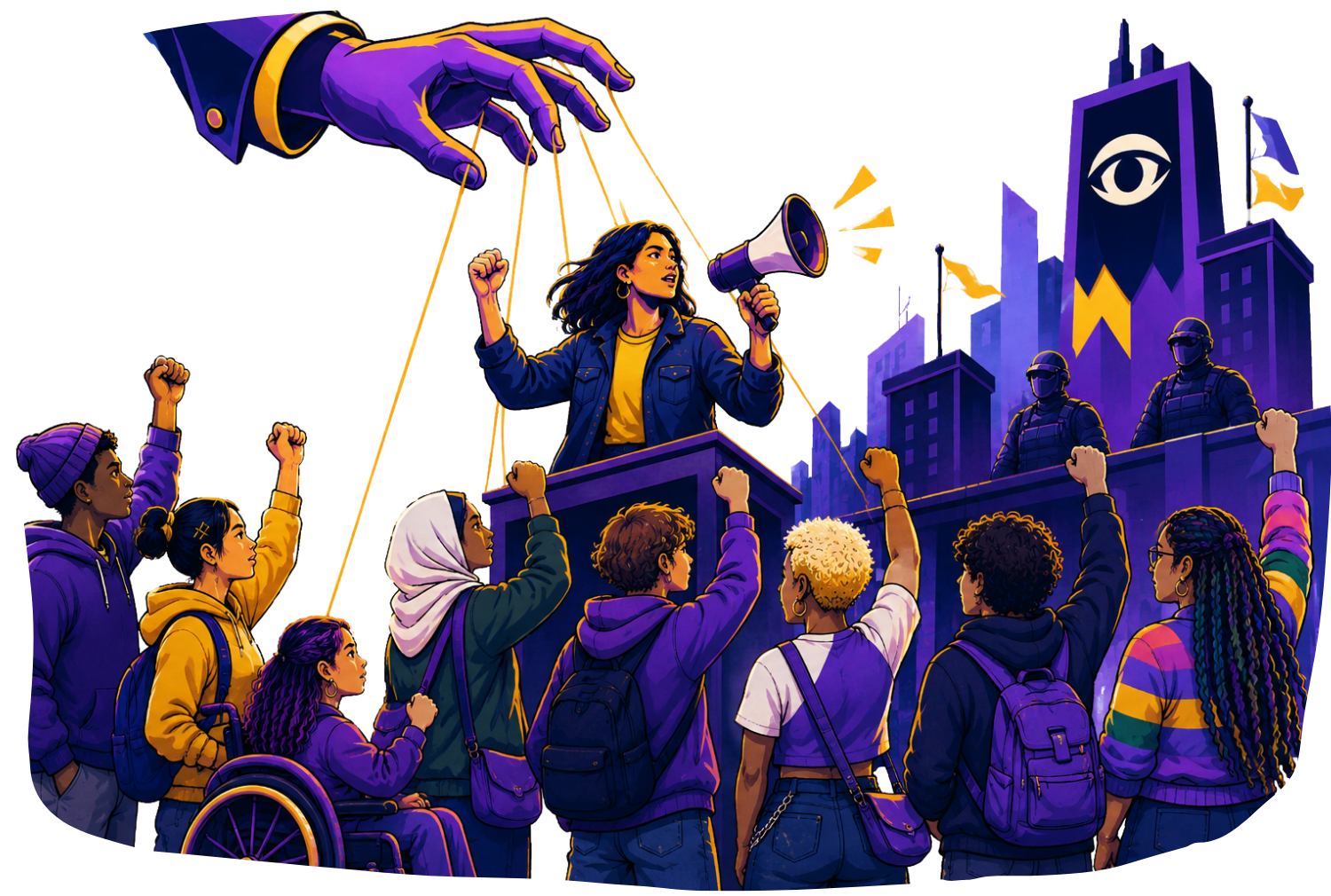
In a democracy, having a voice does not always mean being heard. People may have the legal right to participate, but differences in power, social status and access to information or resources can determine whose opinions influence major decisions.
When we picture dystopia, most of us bring on the same handful of images almost automatically: a Big Brother watching through a screen, a Handmaid in red, a girl volunteering for the Hunger Games. These stories are powerful, and rightly celebrated and they’ve earned their place at the centre of how dystopia gets taught, discussed and played.
What if learning about ethics and environmental responsibility didn’t come from a textbook, but from lived experience where your choices actually shape the outcome? This is the power of role-playing.
Youth feel endangered, as individuals and as humanity, which makes them vulnerable to harmful influences of extreme nationalism, racism, classism. On the other hand, the study also points out that young people care for the world.
For a long time, larp existed in the European public sphere solely as a subcultural phenomenon – a hobby with an unclear status, associated with fantasy and costumes, and rarely considered a conversation partner with institutions. This state of affairs persisted for over three decades. Today, the situation is completely different.
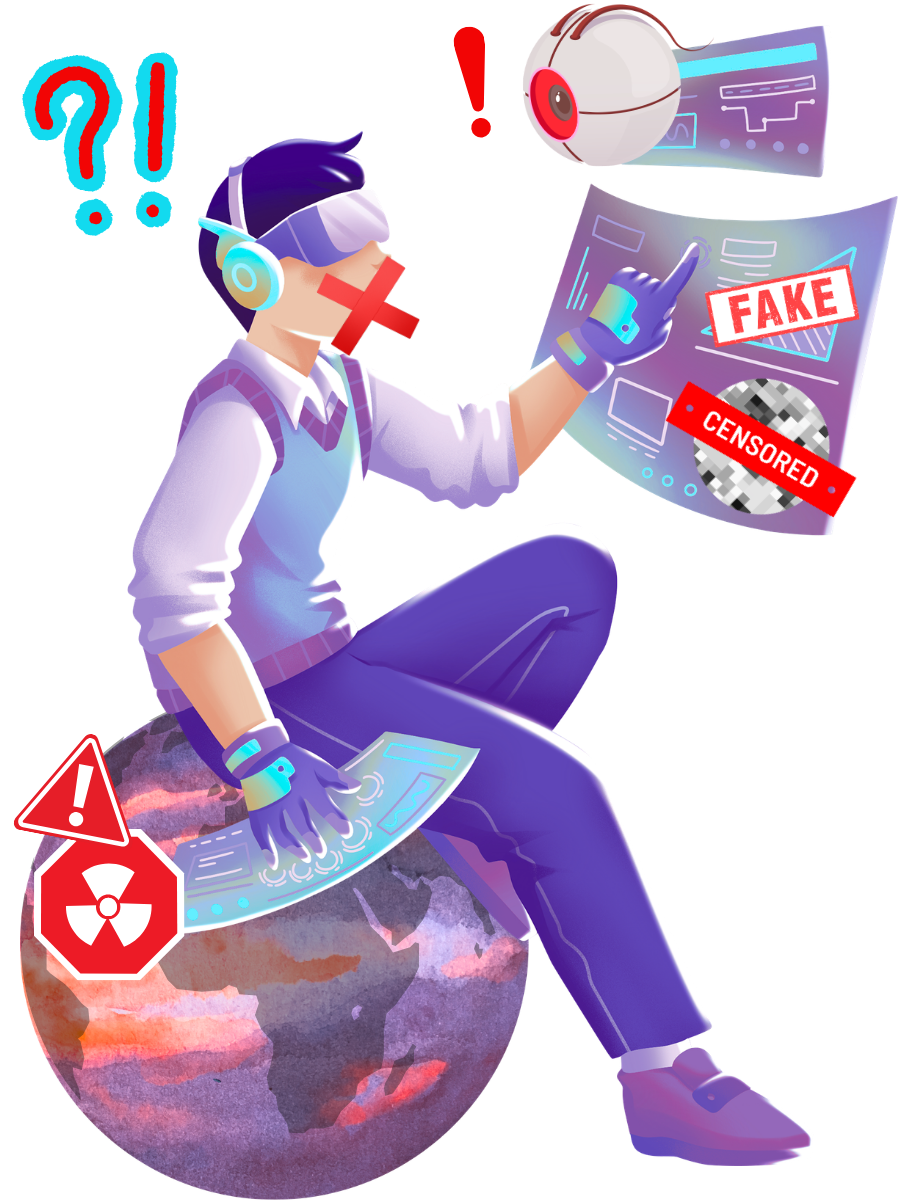
In our previous post, we defined dystopia as: “a fictional society in which social, political or environmental systems have failed or become oppressive.” Deepening into the dystopia genre, you will find that it leans heavily on some common themes, tropes, and narratives.
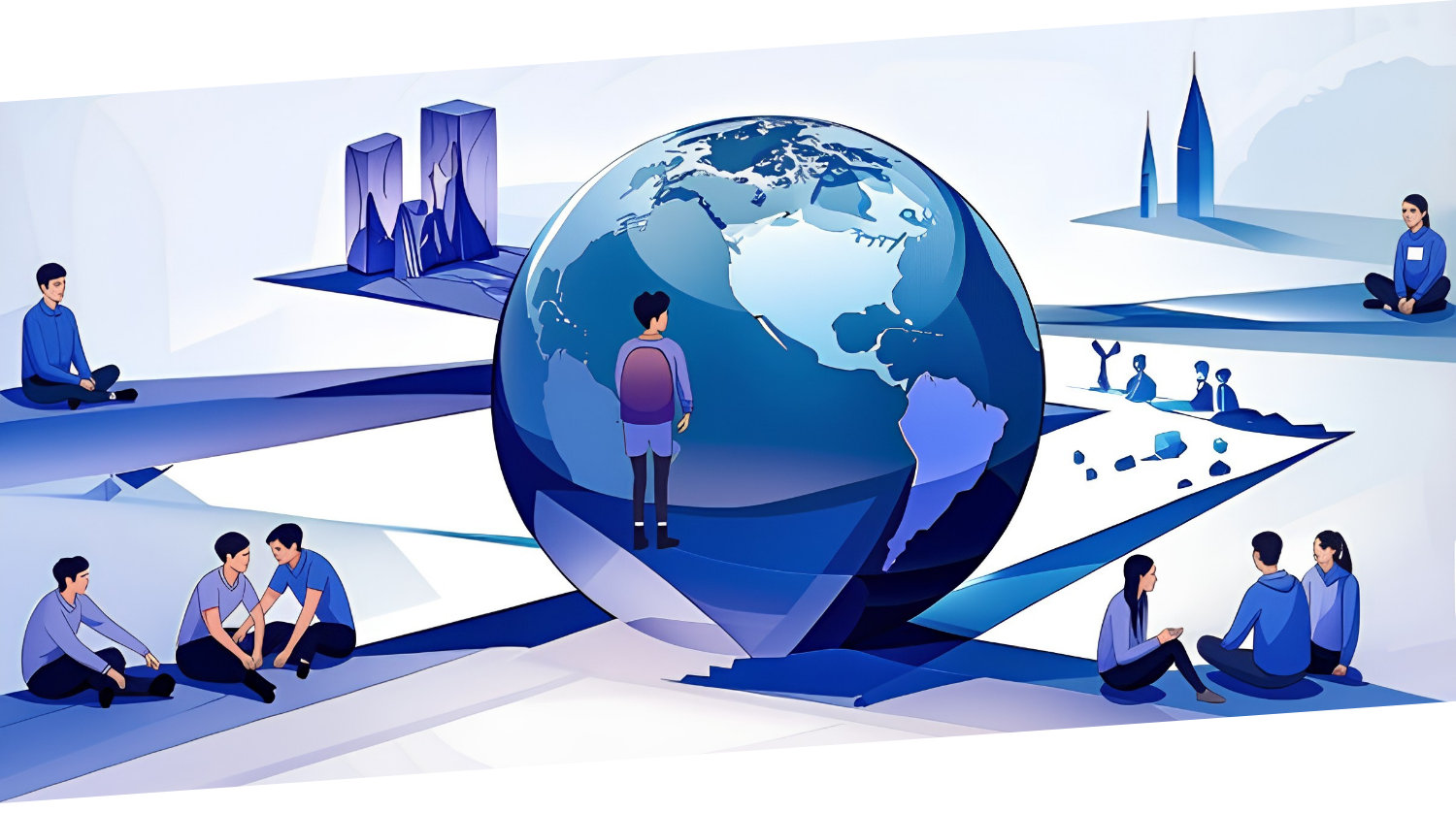
Dystopian stories and role-playing practices have been part of culture for centuries across the world. Beyond entertainment, they offer powerful educational potential by creating immersive fictional spaces where complex issues can be explored safely.
Funded by the European Union. The views and opinions expressed are solely those of the author(s) and do not necessarily reflect the views and opinions of the European Union or the Foundation for the Development of the Education System. Neither the European Union nor the Foundation for the Development of the Education System is responsible for them.